Wooden Tec sample box – delivered to you for free!
Test our most popular colours and finishes on site – touch, compare, combine. Find your style – simple, free and without obligation.

A facade renovation is one of the most effective ways to enhance the appearance of a building and improve its energy performance. Older facades are exposed to weather, UV radiation and moisture for many years. Modern WPC facades offer a long-lasting, low-maintenance and visually appealing alternative to traditional wooden cladding. With careful planning, you can create a durable and low-maintenance exterior — ideal for renovations, modernisation projects and energy-efficient building improvements.
Before renovating your facade, it is important to assess the condition of the existing wall surface. Cracks, damp areas or loose plaster can cause long-term issues and reduce the durability of the new WPC cladding. Thorough cleaning and the removal of loose material are essential steps in the preparation process.
The subsurface must be load-bearing. Brickwork, concrete or wooden supporting structures must be strong enough to safely carry the substructure and the WPC facade profiles. For older buildings, a professional inspection is recommended to detect moisture damage, thermal bridges or uneven surfaces in time.
A ventilated facade system is essential to ensure that moisture can escape and no condensation occurs. A continuous air gap must be maintained between the substructure and the panels. Weather-resistant aluminium profiles or impregnated wooden battens are ideal materials for the substructure.
Correct ventilation significantly increases the lifespan of the WPC facade, prevents mould formation and helps maintain a stable indoor climate.
WPC facade panels come in many colours and surface textures — from classic wood-look designs to modern anthracite or concrete tones. The material Wood-Plastic Composite (WPC) combines natural wood fibres with durable plastic, offering a low-maintenance cladding solution that requires no regular painting or oiling.

As a premium solution with a stable structure and additional coating, this composite cladding offers elegant design, high colour fidelity and easy installation – ideal for demanding construction projects.
Choose a colour that harmonises with the window frames, surroundings and roof. Matte surfaces create a natural appearance and are less sensitive to visible dirt or weathering.
WPC is designed for weather exposure and, unlike traditional wooden facades, needs neither painting nor oiling.
Adding insulation beneath the WPC facade significantly improves the thermal performance of the building and helps reduce heating costs.
A carefully planned installation saves time, reduces costs and ensures a consistent visual appearance. Depending on the design concept, WPC panels can be mounted horizontally or vertically.
Compared to natural wood, installation is faster because WPC panels are dimensionally stable, low-warp and easy to work with.
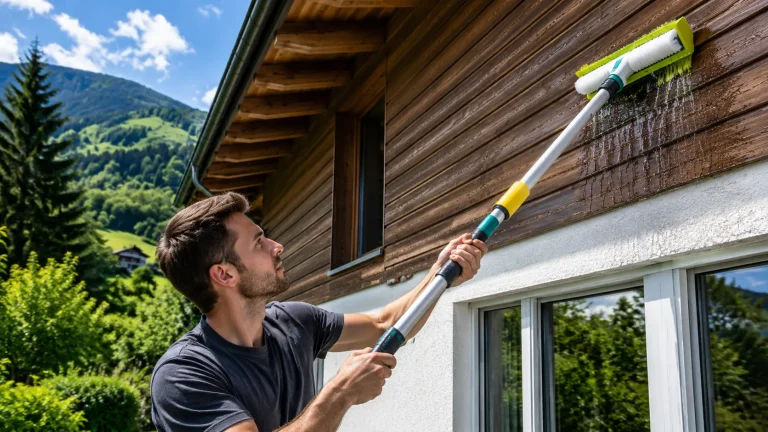
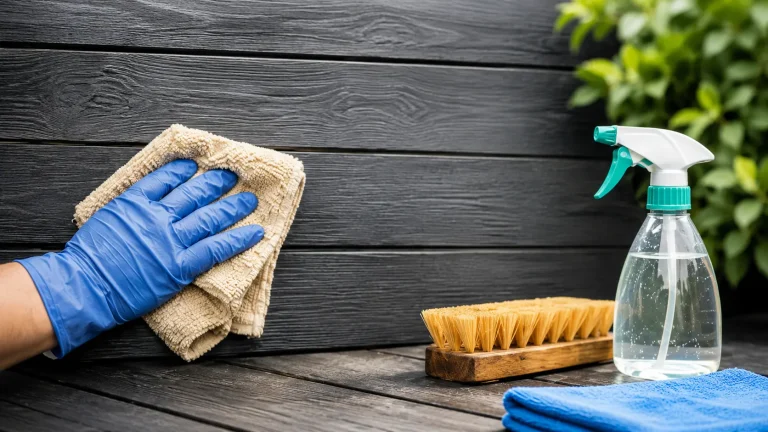
WPC facade maintenance is minimal:
This makes WPC one of the lowest-maintenance facade solutions in modern constructionbined with other work such as roof cleaning, window replacement or energy upgrades.

The cost of a WPC facade renovation depends on several factors:
The installation period typically ranges from 5 days to 2 weeks, depending on the size of the building and weather conditions.
With early planning, facade renovation can be efficiently combined with other work such as roof cleaning, window replacement or energy upgrades.
A renovated facade increases the value of your property, improves energy efficiency and enhances the modern appearance of your home. With long-lasting and low-maintenance WPC facade panels, you choose a solution that perfectly combines aesthetics, functionality and sustainability.
Start planning early — and transform your facade into a modern, durable and energy-efficient highlight.

A high-quality WPC facade can last 30 years or more with proper installation — without painting, oiling or complex maintenance.
Only if the existing surface is damaged or uneven. In many cases, WPC cladding can be installed directly over the old facade.
Simply use water and a soft brush — no chemicals or special cleaning agents required.
Yes. WPC absorbs only little water and is well suited for changing climates.
It is recommended but not mandatory. Paired with insulation, it significantly improves energy efficiency.
For many renovation projects, WPC is one of the most durable, low-maintenance and visually versatile facade materials — especially compared to natural wood.